2025 - 2027
University of California, Berkeley
Master of Public Policy
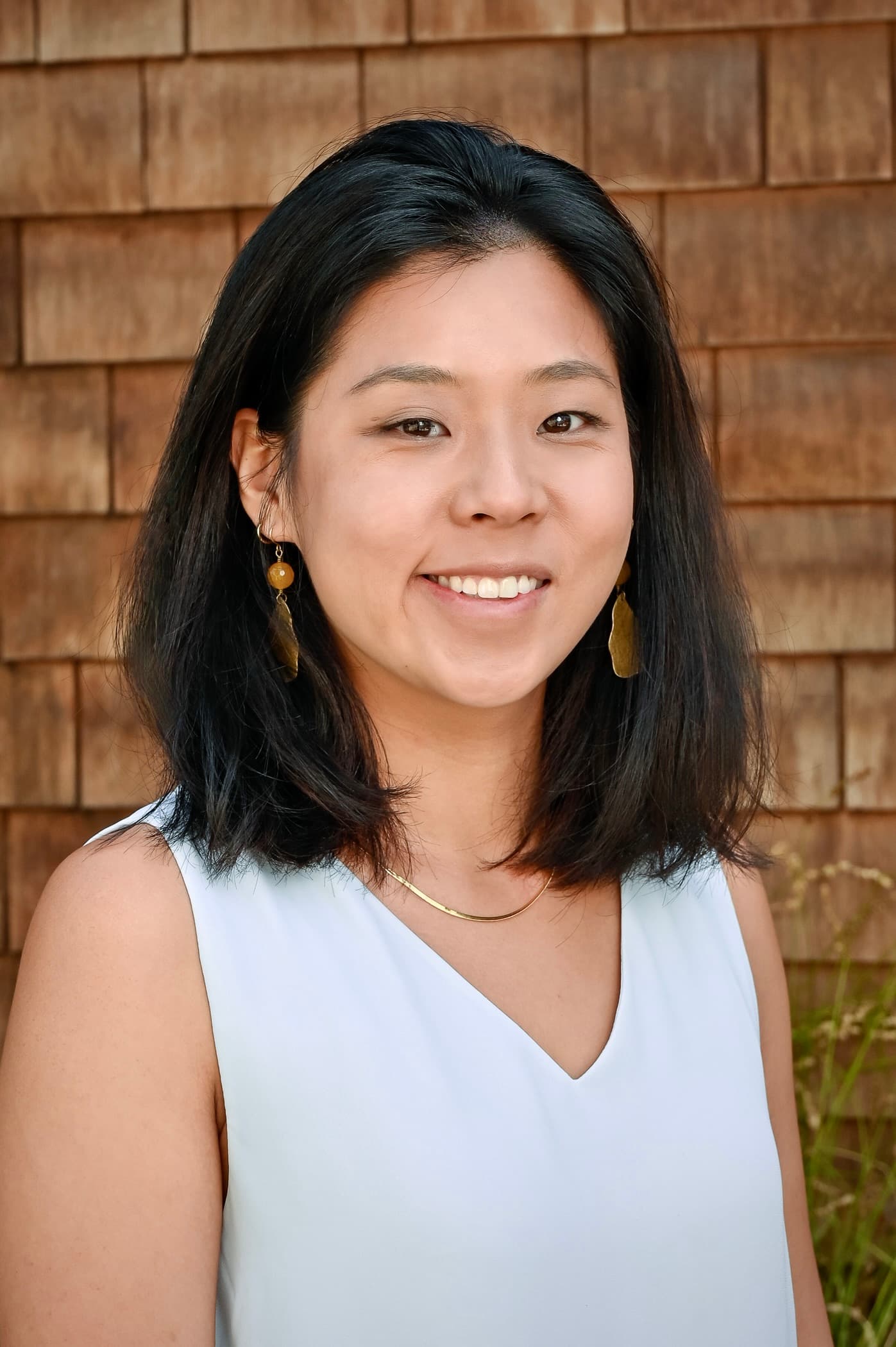
Alice Galley is a Master of Public Policy candidate at UC Berkeley's Goldman School of Public Policy (GSPP). She comes to GSPP from the Urban Institute's Justice and Safety Division, where her work in courts, corrections, and reentry primarily focused on improving prison conditions for incarcerated people and corrections staff using participatory research methods.
Master of Public Policy
BA Biopsychology, Cognition, and Neuroscience
Graduated magna cum laude. Minor in Crime and Justice.
Urban Institute, Washington, DC
Justice and Safety Division
Urban Institute, Washington, DC
Justice Policy Center
Urban Institute, Washington, DC
Justice Policy Center
Washtenaw County Office of the Public Defender, Ann Arbor, MI
Conducted research and reviewed discovery with clients. Drafted legal materials on behalf of clients. Created a tracking system for sentencing guidelines to examine possible sentencing patterns and use of prosecutorial discretion.
Framingham Heart Study: Brain Aging Program, Framingham, MA
Boston University: Precision Brain Health Initiative, Boston, MA
Developed research protocols for a digital cognitive health study to understand dementia and behavioral links. Collected and analyzed age-related cognitive decline data. Supported collaboration across Alzheimer's Disease Centers to create an inventory of digital tools informing national standards.
Michigan Neurogenetics & Developmental Psychopathology (MiND) Lab, Ann Arbor, MI
Gathered cognitive and biological metrics from twin participants to study gene-by-environment interaction relating to antisocial behavior and callous unemotional traits. Evaluated fMRI brain scans for later analysis. Trained new research assistants.
Private Practice, Worcester, MA
Evaluated parent-child bonding within families involved with the Department of Children and Families by scoring psychological measures, summarizing case files for child placement recommendations, and detailing direct experience with the DCF custody process.
Institute for Social Research, Ann Arbor, MI
Conducted phone interviews with Monitoring the Future participants from multiple cohorts to support long-term compliance with the longitudinal study. Detailed call records in a secure shared database.
Data Capacity: A Best Practice Guide for Prosecutors in Smaller Jurisdictions
Washington, DC: Institute for Innovation in Prosecution
Building a Culture of Data Transparency, and Innovation in Corrections with Researcher-Practitioner Partnerships
In E. Ruhland, J. Baldwin, J. Lane, & A. Nellis (Eds.), Collaboration across differences in sentencing and corrections: Process and outcomes. Volume 11, Division on Corrections and Sentencing Handbook Series, American Society of Criminology
How Do Perspectives Differ between Incarcerated People and Corrections Staff on Prison Climate?
Washington, DC: Urban Institute
How Do Incarcerated People in Five State Prisons View Prison Conditions
Washington, DC: Urban Institute
To Improve Prison Conditions, Engage the People Working and Living Behind Bars
Urban Wire, Urban Institute
Researching the Criminalization of Pregnancy: Data Barriers and Accountability
Catalyst Grant Program Insights, Urban Institute
How a Local Nonprofit Created a Case-Management Application to Better Serve Its Community
Catalyst Grant Program Insights, Urban Institute
Data Automation and Expanding Resentencing Efforts
Catalyst Grant Program Insights, Urban Institute
Low-Cost Phone Calls Benefit Incarcerated People, Their Families, and Criminal Legal Institutions
Urban Wire, Urban Institute
New Prison Mail Policies Reduce Already Limited Connections for Incarcerated People
Urban Wire, Urban Institute
Five Ways to Improve Jobs for People Incarcerated in US Prisons
Urban Wire, Urban Institute
Comparing Views of Prison Climate Across Incarcerated People and Corrections Staff: Similarities and Differences in Perspectives
American Society of Criminology, Washington, DC
Findings from a Process Evaluation of the Prison Research and Innovation Initiative
American Society of Criminology, Washington, DC
Urban Institute Webinar
Feeling Safe? Incarceration, Race, and Length of Time Spent in Prison
American Psychology-Law Society Conference, San Juan, Puerto Rico (Poster)
Gender, Job Satisfaction, and Workplace Culture: Trends and Implications for Recruiting and Retaining Correctional Staff in the US
Women In Corrections Conference, Bangkok, Thailand
Perceptions of Personal Safety and Correctional Practices: Correctional Staff and Incarcerated People's Perceptions in a Multi-Site Study Across Time
American Society of Criminology, San Francisco, CA
The Prison Research and Innovation Initiative: Understanding Community Engagement in a Multi-Site Network of Prisons in the US
Stockholm Criminology Symposium, Stockholm, Sweden
Participatory Research in Prisons: A Process Evaluation of Community Engagement in A Multi-Site Prison Research Initiative
American Society of Criminology, Philadelphia, PA
Comparison of Attitudes about Incarceration: Evidence from Surveys of Incarcerated People and Correctional Staff
American Society of Criminology, Philadelphia, PA
Racial and Ethnic Disparities in Attitudes about Incarceration
American Society of Criminology, Atlanta, GA
Mixed Methods Research
AFR 325 Research Methods in Human Services and Community Justice, John Jay College of Criminal Justice (Virtual)
Qualitative Methods
AFR 325 Research Methods in Human Services and Community Justice, John Jay College of Criminal Justice (Virtual)
Amy Slater and Garrett Gruener Fellowship
Goldman School of Public Policy, University of California, Berkeley
Psi Chi, International Honor Society in Psychology
University of Michigan
James B. Angell Scholar
University of Michigan
University Honors
University of Michigan